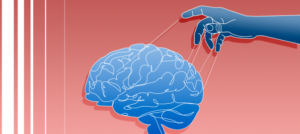
The most effective form of control is when people believe they are acting of their own free will. Information control achieves this not by demanding obedience, but by shaping the boundaries of perception, guiding people to certain conclusions while giving them the illusion of independent thought. When people feel they’ve come to a decision on their own, whether it’s supporting a war, distrusting a movement, or condemning a whistleblower, they are more likely to defend that belief and reject alternative views. This is not coercion in the traditional sense. It’s manufactured consent, where public opinion is shaped through curated facts, filtered narratives, and emotional appeals.
Consider the Iraq War example again. Millions of Americans supported the 2003 invasion not because they were coerced, but because they believed Saddam Hussein had weapons of mass destruction. They were shown maps, satellite images, and confident testimony from top officials. Major media outlets echoed these claims, rarely challenging the intelligence. As a result, Americans felt they were making an informed, rational choice. But that choice was made inside a bubble of carefully selected and incomplete information. When the truth came out, that the WMDs didn’t exist and that intelligence had been manipulated or misrepresented, many people struggled to reconcile the betrayal. Some refused to believe it at all.
This illusion of free thought is dangerous because it feels empowering. People defend their views passionately, often unaware that those views were seeded by external forces through repetition, authority, and group consensus. When individuals believe they’ve independently reached a conclusion, they become more resistant to correction. This makes opinion-based control far more effective than force. It doesn’t spark rebellion. It creates loyal defenders of the very system that misled them.